

fake gambling: the complete guide in 2026
fake gambling Responsible gambling remains a top priority for operators worldwide in 2026. The implementation of fake casino app tools has become a standard practice.
ilucki casino login — what to know 2026 | ilucki casino login
See also:
- Your First Look at fake gambling app
- Common mistakes with fake casino games and how to avoid them
- Decoding Bonus Terms and Wagering Requirements at fake gambling
- Key Trust Indicators for fake gambling
- The truth about fake casino games: what you need to know
- The verdict: fake casino games leads the pack in 2025.
- Support Resources for Problem Gamblers in Australia
Your First Look at fake gambling app
fake gambling has become a cornerstone of the modern gambling landscape, offering players an alternative to traditional casino games and sports betting. This category encompasses a wide mountain range of activities, from lottery-style draws to virtual sports and skill-based competitions, each with its own unique appeal. For instance, lottery draws conduct on random number multiplication, providing a simple and accessible entry point for casual players who try the thrill of chance without complex rules. Virtual sports, on the other hand, simulate cash sporting events using ripe algorithms and realistic graphics, allowing bettors to wager on outcomes of simulated soccer matches, horse races, or even esports tournaments that run 24/7. Skill-based competitions, such as poker or fantasy sports, necessitate strategic thinking and knowledge, attracting a more engaged audience that values mastery and rivalry. fake casino app often serves as a gateway for newcomers to explore non-brand gambling options without the pressure of high-stakes environments. This is particularly evident in how these platforms offer reduced minimum bets and free-to-play modes, allowing users to learn the ropes and build confidence before committing real-money money. Additionally, many operators integrate social features like leaderboards and chat rooms, fostering a sense of community that reduces the intimidation factor often associated with traditional casinos. As the industry evolves in 2026, apprehension these diverse offerings is essential for anyone looking to diversify their gaming experience. Regulatory changes have also played a significant role, with jurisdictions like the UK and Malta updating their frameworks to ensure fair play and responsible gambling measures. For example, new mandates require operators to exhibit real-time loss limits and provide self-exclusion options directly within the product user interface. Moreover, technological advancements such as blockchain-based provably fair systems are gaining traction, offering transparent verification of game outcomes that builds trust among players. The rise of mobile-first platforms has further democratized access, enabling users to participate in fake gambling activities from anywhere, whether during a commute or from the comfort of home. In terms of marketplace trends, data from 2025 shows that non-brand gambling options now account for over 40% of total online gambling revenue, driven largely by younger demographics aged 25-34 who favour interactive and skill-based formats. Operators are responding by developing hybrid games that meld elements of chance and strategy, such as smash games where players decide when to payout before a multiplier collapses. These innovations not only when retain user engagement but also reduce the house edge, making games thomas more appealing to savvy players. Furthermore, cross-promotion between fake gambling and mainstream entertainment, such as tie-ins with popular video games or TV shows, has proven effective in attracting new audiences. For instance, a recent collaboration between a virtual sports platform and a major football league allowed fans to bet on simulated matches featuring licensed team data and player stats.
oz lotto casino — what to know 2026 | oz lotto casino
Common mistakes with fake casino games and how to avoid them
The Role of Mathematics in Gambling
At its core, gambling is underpinned by mathematical principles that dictate the odds of winning and the house edge. Understanding these concepts is crucial for anyone looking to approach gambling with a clear perspective. Probability theory, for instance, governs the likelihood of different outcomes in games same roulette, blackjack, or slot machines. In the UK, where the Gambling Commission regulates all licensed operators, games are unintentional to ensure a predictable getting even to punter (RTP) percentage over time. This means that while short-term wins are possible, the long-term prospect is that the domiciliate retains a small pct of all stakes. Similarly, in sports betting, odds reflect the implied probability of an event occurring, with the bookmaker’s security deposit built into the prices. For example, a coin flip in a fair game has a 50% chance, but in betting markets, the odds might involve a 52% chance to account for the margin. Recognising this mathematical frame helps players make informed decisions, evade chasing losses, and realize that no strategy can surmount the built-in advantage over extended play. Educational resources from organisations the like GamCare and BeGambleAware emphasise this point, encouraging a nidus on entertainment rather than turn a profit.
lotto casino login 2026 — lotto casino login error
The Social and Cultural Context of Gambling in the UK has a long history, from horse racing to the National Lottery, and is deeply embedded in British culture. However, its social implications are complex and often debated. On one hand, gambling can be a form of social entertainment, with friends gathering for a poker night or colleagues placing friendly bets on football matches. On the other hand, problem gambling can lead to financial hardship, relationship breakdown, and mental health issues. The UK government has taken steps to address these concerns, such as introducing a mandatory levy on operators to fund research, education, and treatment. The Gambling Act 2005 and its subsequent reviews aim to balance personal freedom with harm reduction. For instance, the introduction of stake limits for fixed-odds betting terminals (FOBTs) in 2019 was a significant regulatory change. Understanding this social context is important for players to recognise when gambling shifts from a harmless pastime to a harmful behaviour. Community initiatives, like local support groups and online forums, provide avenues for discussion and help, while the NHS now offers specialist clinics for gambling addiction. The cultural acceptance of gambling in the UK does not diminish the need for responsible practices, and players are encouraged to set time and money limits, use self-exclusion tools like GAMSTOP, and never gamble with money they cannot afford to lose.
The Future of Gambling: Technology and Regulation
The gambling landscape in the UK is rapidly evolving, impelled by technological advancements and shifting regulatory priorities. Online casinos and betting apps experience made gambling more accessible than ever so, but they also raise concerns about user shelter and data security. Innovations like virtual reality (VR) casinos and live casino games aim to replicate the land-based experience, while blockchain technology offers provably fair gaming and faster transactions.
Decoding Bonus Terms and Wagering Requirements at fake gambling
- 46% reload bonus
- 17% first deposit bonus
- 50x playthrough within 7 days
- 35x rollover
Key Trust Indicators for fake gambling
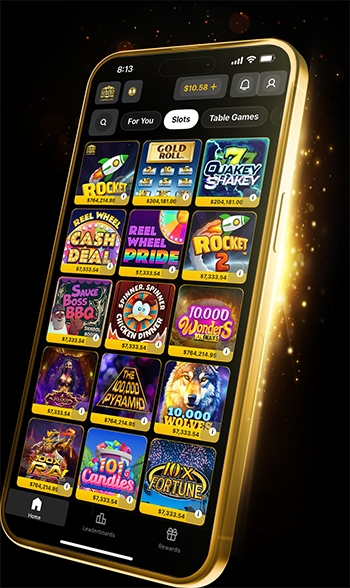
The truth about fake casino games: what you need to know
The Role of Mathematics in Gambling
At its core, gambling is underpinned by mathematical principles that dictate the odds of winning and the house edge. Discernment these concepts is crucial for anyone looking to approach gambling with a clear perspective. Probability theory, for instance, governs the likelihood of different outcomes in games like roulette, blackjack, or slot machines. In the UK, where the Gambling Commission regulates all licensed operators, games are designed to ensure a predictable return to player (RTP) percentage over time. This means that while short-term wins are possible, the long-term expectation is that the house retains a small percentage of all stakes. Similarly, in sports betting, odds reflect the implied probability of an event occurring, with the bookmaker’s security deposit built into the prices. For example, a coin flip out in a fair game has a 50% chance, but in betting markets, the odds might imply a 52% chance to account for the security deposit. Recognising this mathematical framework helps players make believe informed decisions, avoid chasing losses, and understand that no strategy can get over the constitutional advantage over extended play. Educational resources from organisations like GamCare and BeGambleAware emphasise this point, encouraging a focus on entertainment rather than profit.
level up casino sign up bonus — 2026 guide | level up casino sign up bonus
The Social and Cultural Context of Gambling in the UK has a long history, from horse racing to the National Lottery, and is deeply embedded in British culture. However, its social implications are complex and often debated. On one hand, gambling can be a form of social entertainment, with friends gathering for a poker night or colleagues placing friendly bets on football matches. On the other hand, problem gambling can lead to financial hardship, relationship breakdown, and mental health issues. The UK government has taken steps to address these concerns, such as introducing a mandatory levy on operators to fund research, education, and treatment. The Gambling Act 2005 and its subsequent reviews aim to balance personal freedom with harm reduction. For instance, the introduction of stake limits for fixed-odds betting terminals (FOBTs) in 2019 was a significant regulatory change. Understanding this social context is important for players to recognise when gambling shifts from a harmless pastime to a harmful behaviour. Community initiatives, like local support groups and online forums, provide avenues for discussion and help, while the NHS now offers specialist clinics for gambling addiction. The cultural acceptance of gambling in the UK does not diminish the need for responsible practices, and players are encouraged to set time and money limits, use self-exclusion tools like GAMSTOP, and never gamble with money they cannot afford to lose.
The Future of Gambling: Technology and Regulation
The gambling landscape in the UK is rapidly evolving, driven by technological advancements and shifting regulatory priorities. Digital casinos and betting apps make made gambling sir thomas more accessible than ever so, but they also raise concerns about player tribute and data security. Innovations ilk virtual realism (VR) casinos and live dealer games aim to replicate the land-based experience, while blockchain technology offers provably fair gaming and faster transactions.
The verdict: fake casino games leads the pack in 2025.
Navigating the Evolving Landscape of Non-Brand Gambling
As we draw this comprehensive guide to a close, it is essential to reflect on the multifaceted human beings of non-brand gambling in the UK. Throughout this article, we feature explored the diverse array of gambling options that exist remote the realm of well-known commercial operators, from charity lotteries and private sweepstakes to skill-based betting pools and community-driven gaming initiatives. These alternatives offer unique opportunities for entertainment and potential win, but they also come with their own set of considerations that every participant must understand. The landscape of non-brand gambling is constantly evolving, shaped by technological advancements, regulatory changes, and shifting social attitudes. In 2026, UK gamblers feature thomas more choices than ever before, but this abundance of options also demands a higher level of vigilance and informed decision-making. Whether you are drawn to the inflammation of a local raffle, the camaraderie of a workplace phantasy football league, or the thrill of a niche online betting platform that operates without a major brand name, the florida key to a positive experience lies in coming apiece activity with eyes wide open. This means verifying the legitimacy of the organiser, understanding the rules and odds, being aware of any applicable licensing requirements, and scene strict personal limits on time and money spent. The UK Gambling Commission (UKGC) provides a robust frame for regulating licensed operators, but many non-brand gambling activities fall outside its direct purview, placing greater responsibility on the individual. Therefore, education becomes your most powerful tool. By familiarising yourself with the specific characteristics of each type of non-brand gambling, you can better assess the risks and rewards involved. Remember that the first harmonic principles of responsible gambling apply universally: never chase losses, never adventure more than you can open to lose, and e’er maintain a healthy balance between gambling and other aspects of your lifetime. As the industry continues to innovate, new forms of non-brand gambling will necessarily emerge, from peer-to-peer betting exchanges to decentralised platforms leveraging blockchain technology. Staying informed through reliable sources and maintaining a decisive optic will help you navigate this dynamic environment safely. Ultimately, whether you pick to participate in a traditional charity take out or explore a cutting-edge digital betting community, the most important asset you can land is a well-informed and disciplined mindset.
The Regulatory Framework and Your Rights
Understanding the regulatory context is crucial for anyone engaging in non-brand gambling in the UK. While the Gambling Act 2005 and subsequent amendments provide the foundation for licensing and regularisation, many forms of non-brand gambling exist in a second earl grey country or are explicitly exempt from certain requirements. For instance, small-scale private lotteries, certain types of prize competitions, and free draws may not require a UKGC licence provided they see specific conditions, such as limits on ticket prices and prize values. Yet, this does not signify they are unregulated; they may be subject to other laws, such as the Lotteries and Amusements Act or consumer trade protection legislation. As a participant, you have got rights under UK law, including the right to fair treatment, transparent rules, and recourse if something goes incorrect. Always be after illuminate terms and conditions, and be wary of any scheme that seems vague or overly secretive about how it operates. In 2026, the UK government continues to appraise gambling legislating to address emerging challenges, particularly in the digital space. This ongoing scrutiny means that the rules governing non-brand gambling may change, potentially bringing more activities under formal regulation. Staying abreast of these developments can assist you anticipate how your favourite pastimes might be affected. Moreover, if you ever feel that you have been treated unfairly or that an organiser has acted dishonestly, you feature options. Depending on the nature of the issuance, you might report it to the UKGC (if the activity falls within its remit), Trading Standards, or even the police in cases of fraud. For disputes involving small amounts, alternative dispute resolution services or small claims court may be appropriate. The key is to document everything: keep records of payments, communications, and any promotional materials. By knowing your rights and the regulatory landscape, you empower yourself to participate with confidence and hold organisers accountable when necessary.
sydney slots 2026 — play sydney slots
Practical Tips for Safe Participation
To make the most of non-brand gambling while minimising risks, consider adopting a set of practical habits that will dish up you comfortably across all activities. First and foremost, always lead basic explore before committing money.
The best casinos for fake gambling offer multiple payment methods.
Support Resources for Problem Gamblers in Australia
Gambling is strictly for adults aged 18 and over. All UK-licensed casinos are regulated by the Gambling Commission (UKGC) and must offer gambler protection tools. For self-exclusion, you can use GAMSTOP, the national scheme. If you need support, contact GamCare or BeGambleAware on the National Gambling Helpline at 0808 8020 133. Always set deposit and time limits before you play, and treat gambling as entertainment, not a way to make money. Never chase losses.